Case Study

A trip to Canada to explore recruitment opportunities for both hospital specialists, and UK GPs.

Dates: 25th - 28th of January 2026
Group: 7 doctors, and 2 Doc2Canada Staff members
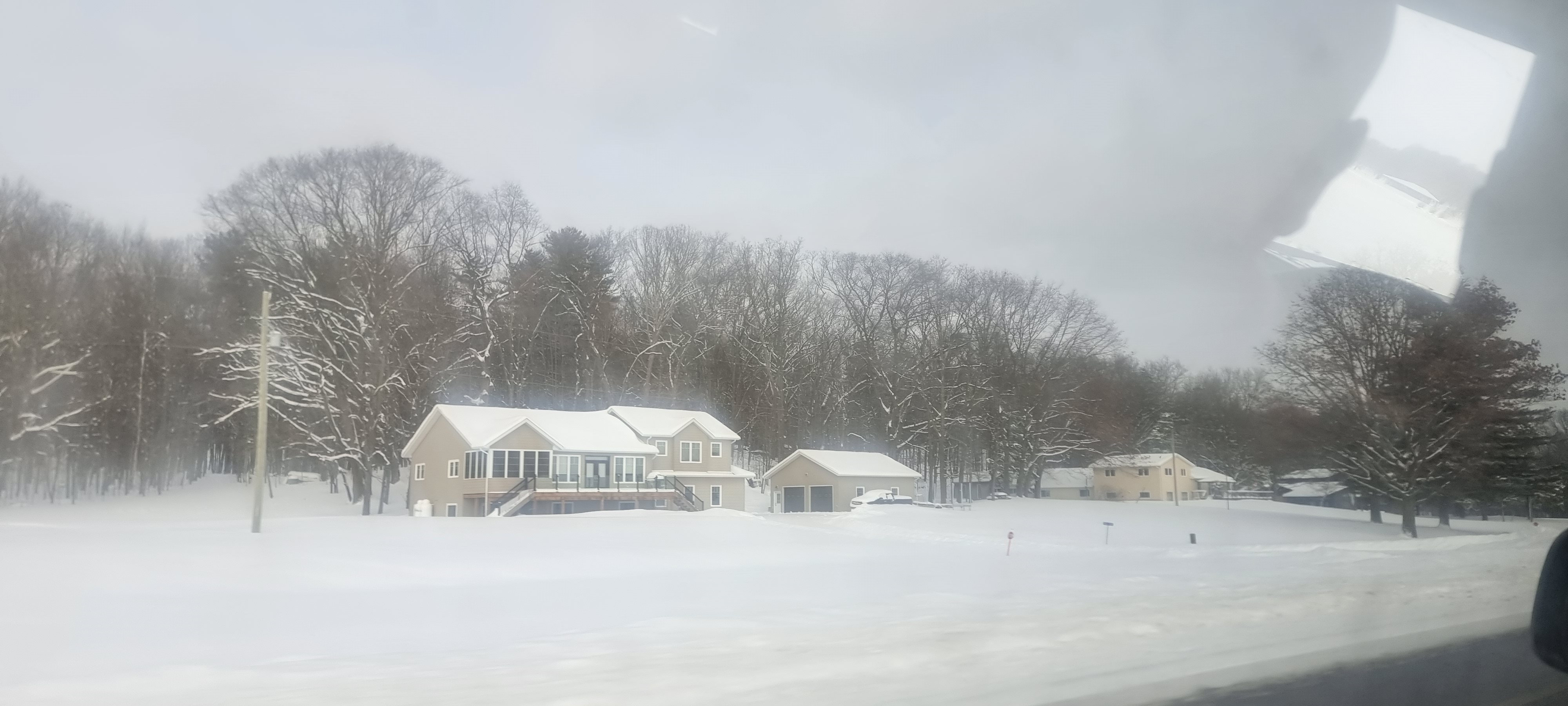
Ontario was in full winter mode when we arrived in Canada. There was plenty of snow on the ground most days, with fresh flurries and cold temperatures giving everything that classic “proper Canadian winter” experience.

The main highways were well maintained, but the smaller rural roads still needed extra care. It was a good, honest preview for the doctors of what day‑to‑day life would be like in winter: warm coats, all-weather or winter tyres and an element of pre-planning, but still very manageable once you’re prepared.

The cold is commonly not as ‘wet’ as it is in England. Although the temperatures were lower, it was classic ‘bracing cold’, with matching wide blue skies for most of the trip.

Monday 26 January

We left the Toronto airport hotel area early and drove east along the 401, stopping briefly, before continuing on in the morning. Safety is of paramount importance on our trips, and we only drove when it was safe to do so. We took advantage of an early-morning gritted road, and by late morning we reached our first clinic, where we met local partners connected to the medical centre.

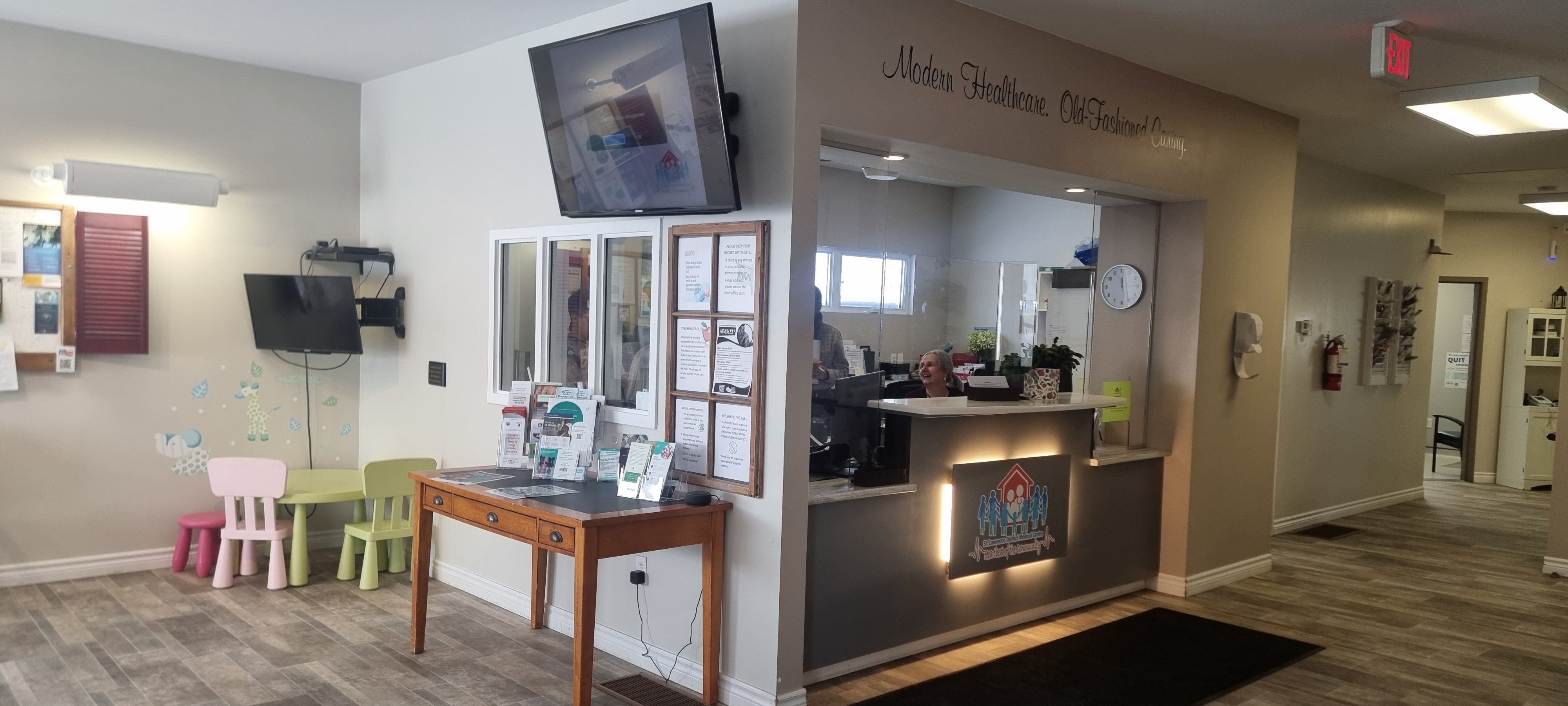
We discussed how a turnkey FHO model can support rapid list growth alongside a strong nursing, admin and allied health support.
Our first clinic is an ideal option for NHS partners or senior salaried GPs seeking autonomy without property ownership or financial exposure.

Key Information:

  • Premier turnkey FHO practice in: full clinical autonomy, self-employed.
  • Full roster in 8 months: 25 new patients enrolled per week (target: 1,000+ patients)

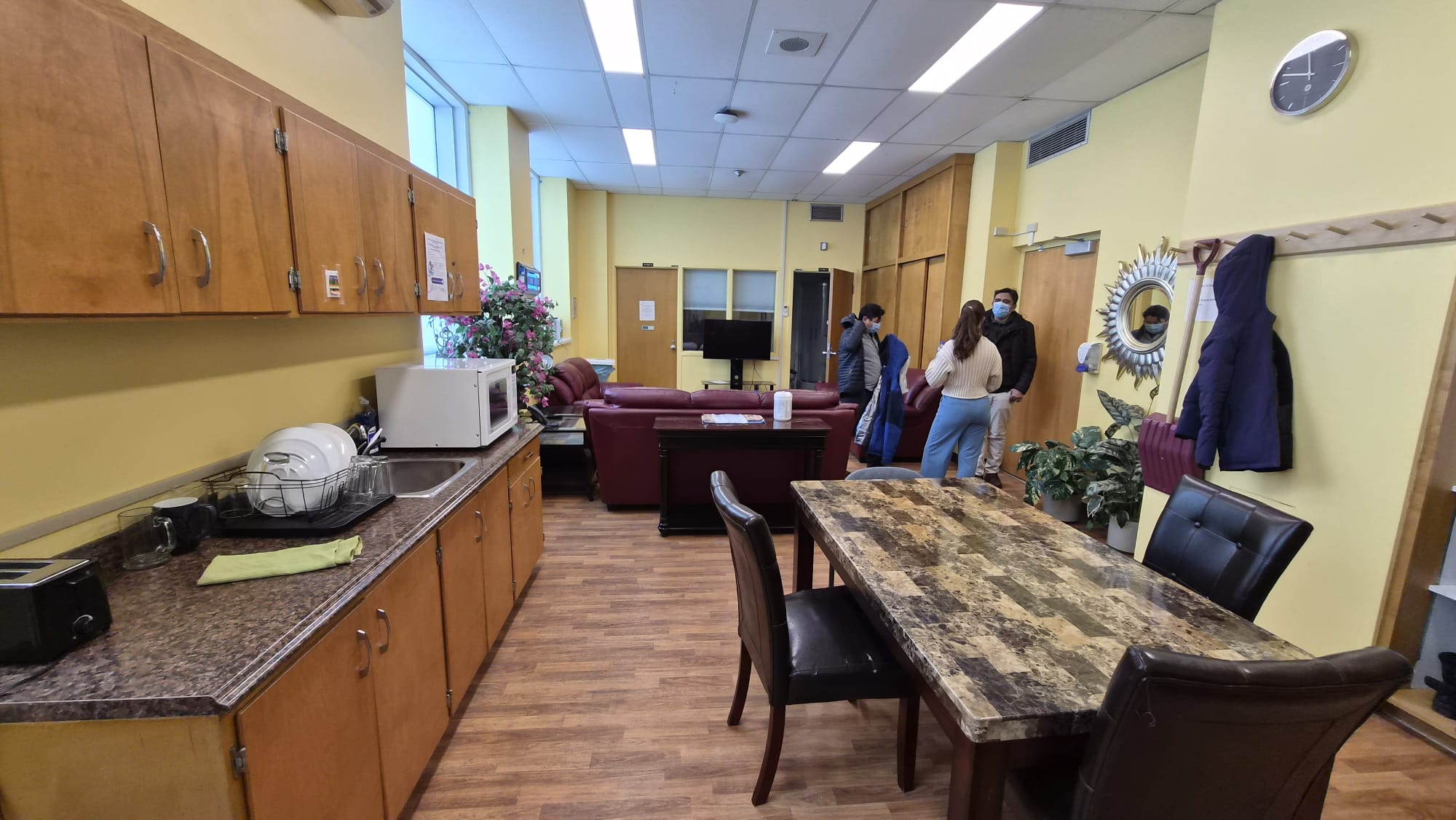
  • Onsite nurses, pharmacist, admin, HR, and allied health.
  • Formal cross-cover allowing 6 weeks’ holiday + 2 weeks CME Concierge relocation support offered.
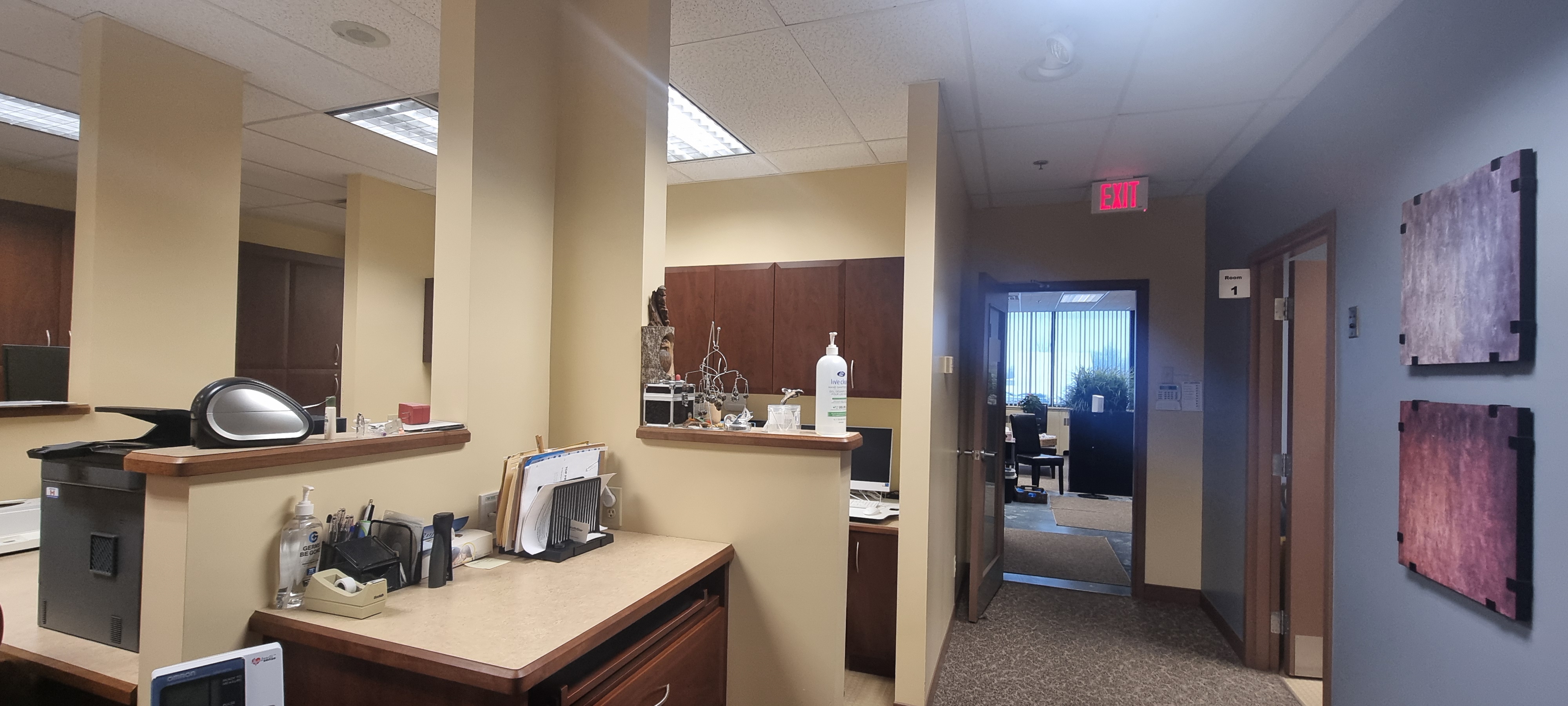
  • Each doctor has their own office
  • No initial investment required: step straight into established practice
  • Fast start: 215 patients transfer immediately from existing rosters

Monday Afternoon

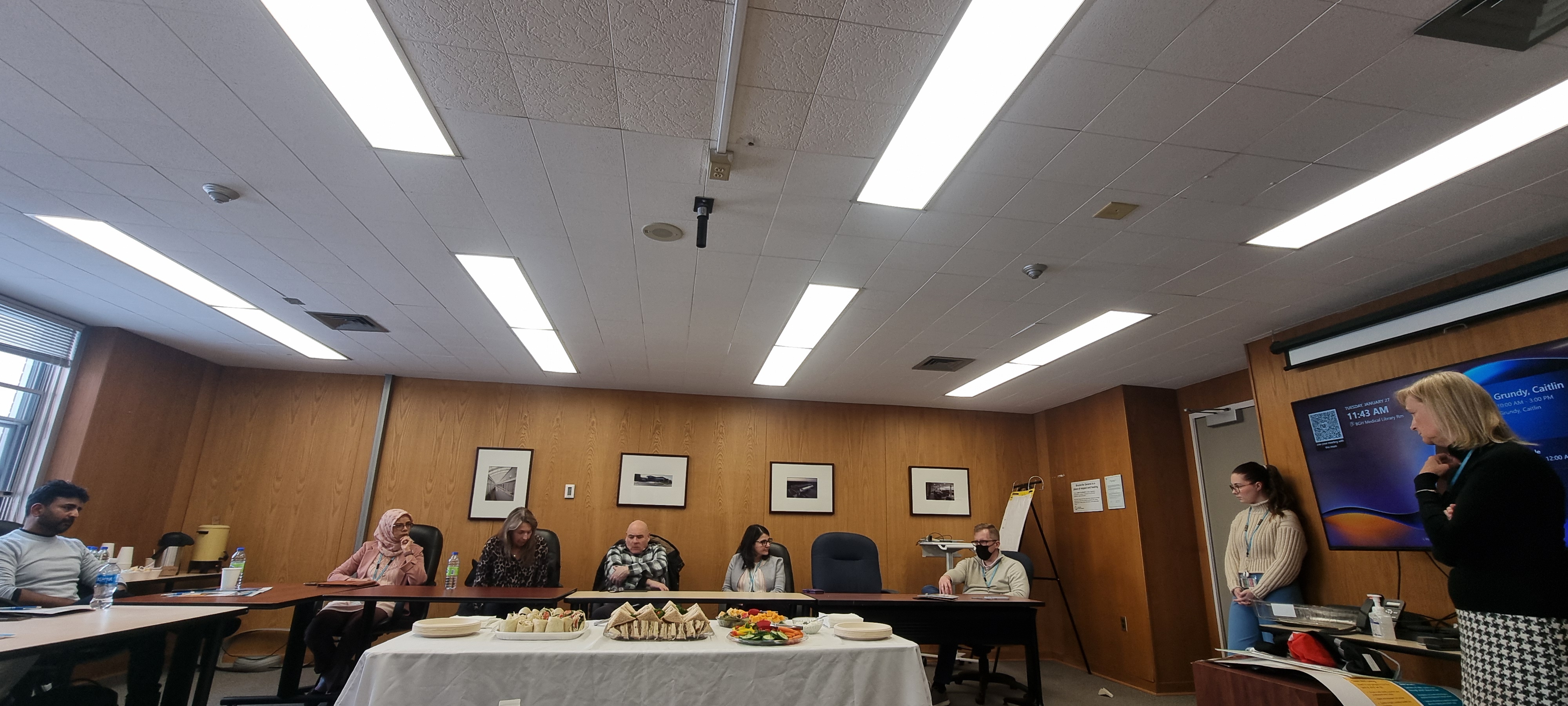
In the afternoon we travelled on to the nearest large town, meeting at offices in the hospital to hear about the region’s physician‑recruitment strategy, hospitalist roles for family physicians, local incentives, partner career support and the wider lifestyle offer (active outdoor scene, strong schools, easy access to Ottawa, Kingston and Montreal).

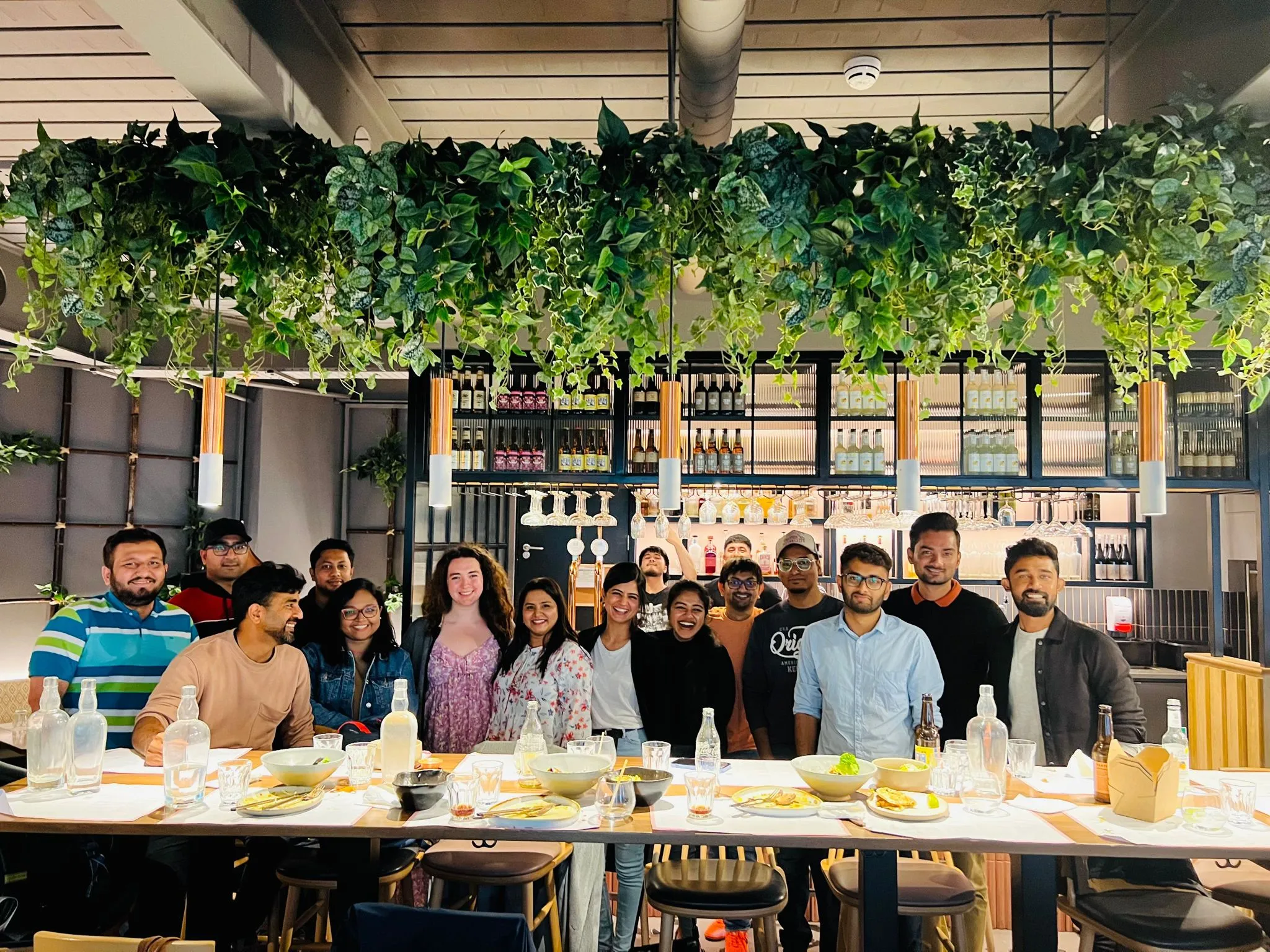
Later we drove north, spending the evening in beautiful surroundings with key stakeholders in the community, to get a feel for the values that that underpin healthcare delivery in the area.

We learnt more about a modern medical centre in the area: a new medical facility, built alongside a medical-first aesthetics clinic.

This centre is in the midst of a growing commuter hub with new housing, family‑friendly amenities and just a straightforward 30 minute drive to the city of Ottawa, a cultural hub for both physicians and partners. Physicians support each other in clinical decision-making, administrative processes (such as billing questions), and shared care delivery, resulting in a team approach to complex cases and patient management.

Clinical Workload & Approach

Serves patients 6 days a week with extended care options and after-hours appointments for urgent needs.
Front desk and triage remain active during key call windows to manage urgent needs and after-hours booking
Typical rosters range from around 1,000 over 3 clinical days to expanded rosters closer to 1,500 based on availability and preference.
Longer appointment times are supported: in particular for mental health, complex care, and chronic disease management, allowing physicians adequate time with patients.
The medical centre offers tailored relocation assistance, including help with onboarding, local orientation, and structured practice transition planning.
A “meet and greet” process helps ensure good fit before formal rostering of new patients.Operations & schedule* Core clinic days are structured with protected blocks for **direct patient care (approx. 18 hours/week) and administration (approx. 6 hours).

Physicians moving into the practice may benefit from extended orientation, administrative set-up support, and guidance on integrating into local primary care networks.
Blocked scheduling supports high efficiency and minimises overbooking.Two rooms typically dedicated per physician, for smooth patient flow.

Temporary housing assistance while searching for permanent home.
Extended or flexible hours may include one late clinic evening per week(e.g., 2pm–8pm) and periodic Saturday clinics (e.g., 9am–2pm) as part of the practice’s commitment to accessibility and continuity.


Personalised support to you: whether migrating
with a family, or by yourself.

Tuesday 27 January

We started the day at the next clinic reviewing the salaried, team‑based model. The clinic offers flexible FTE arrangements (e.g. 0.8 FTE over four days with three on‑site and one admin day, or 1.0 FTE as a 40‑hour week), with physicians retaining significant control over their scheduling as long as access and demand targets are maintained.

Physicians are provided with a laptop and phone to support remote admin and virtual work.

A common work pattern: five mornings per week, tailored around personal and patient needs, was highlighted as an example of the flexibility in practice design.


Compensation includes base salary plus ancillary payments and bonuses tied to preventive care and specific patient incentives, which makes quality improvement financially visible.

The minimum appointment length is 15 minutes, with longer slots used for more complex patients, and physicians are provided with a laptop and phone to support remote work and admin task.

  • Late morning we moved onto the local Hospital, where the focus was on fee‑for‑service work and the breadth of clinical opportunities. We heard that volumes are sufficient to generate substantial FFS income for home physicians willing to take on extra shifts or develop niche clinics, including the potential for a dedicated dermatology service. This is referred to as hospitalist work.

    The hospital team emphasised that shadowing can be arranged so potential candidates can see the environment first‑hand, and described one‑person coverage models in some areas alongside STEMI and EMS protocols that route acute cardiac patients to the closest appropriate site.


After Lunch


We drove south along the river to the next clinic, seeing the FHO/FHT model in a smaller town setting. The medical centre is set beside a lake.

  • At this clinic, each doctor has their own office, a generous space complete with ceiling to floor windows.

    There, typical rosters sit around 1,200 patients per full‑time physician with a Monday to Friday schedule, and the interdisciplinary team includes nurse practitioners, physician assistants, registered nurses, social workers and dieticians.

  • We also noted the concierge‑style relocation support package: six months’ free housing, use of a vehicle, and loan and income‑stabilisation programmes while building a practice.

Tuesday Afternoon


Later in the afternoon visited a town where several FHO practices are co‑located. At the first clinic, we saw a cost‑sharing, physician‑owned model embedded in a 15‑physician FHO with modern infrastructure (TELUS EMR, AI scribe integration, Ocean secure communications) and occupational health opportunities through major employers such as P&G and 3M.

  • At the next medical centre,  we discussed the overhead model (25–30%, scaled to roster size), the expectation of around 1,500 patients for a full‑time, 40 hour week roster, and the method by which physicians can dial expenses up or down as small‑business owners within a supportive group environment.

    Overall, this clinic suits candidates who value technology, mentorship and cost‑share independence, and who are comfortable with the financial responsibility of running a small business within a supportive group.

    We drove south along the river to the next clinic, seeing the FHO/FHT model in a smaller town setting. The medical centre is set beside a lake.

  • Concierge‑style relocation support package is available: six months’ free housing, use of a vehicle, and loan and income‑stabilisation programmes while building a practice.

Wednesday 28th June


At the next clinic on Wednesday, we discussed panel expectations (around 1,000 patients linked to roughly three clinical days plus admin time), the ability to book longer appointments for mental health and complex presentations, and how physicians support each other with billing and practice management questions.

This clinic is located in a fast‑growing town, where you can find reasonable property prices relative to Ottawa, and a municipality actively involved in physician recruitment.

Later in the afternoon visited a town where several FHO practices are co‑located. At the first clinic, we saw a cost‑sharing, physician‑owned model embedded in a 15‑physician FHO with modern infrastructure (TELUS EMR, AI scribe integration, Ocean secure communications) and occupational health opportunities through major employers such as P&G and 3M.

Next, we drove west to the next clinic. A community‑governed CHC with a strong social‑medicine ethos. The team described a salaried model with ~1,000‑patient panels and 30‑minute standard appointments, deliberately designed to manage complex, higher‑needs patients (lower incomes, high smoking and COPD burden, significant mental health needs) using wrap‑around services.

  • We saw the breadth of the multidisciplinary offer: social workers, mental health services, a diabetes educator, a dietitian who can order blood work, neuro‑rehab support, and dedicated procedure space (ECG and biopsy room).

    MAID work is organised as a structured project one day per week with defined eligibility criteria and clear moral and practical support, and palliative and end‑of‑life care are shared within the team.

    On‑call is light (around 4 - 5 text‑based calls per year with a small stipend), and the leave and benefits package is generous (4 weeks’ leave, 2 weeks’ CME, personal and sick days, HOOPP pension, and a regular Wednesday‑morning work‑from‑home block, with a clear expectation that doctors do not take routine clinical work home in the evenings).

    Our discussions with all of the doctors at each of the clinics, also covered culture and safety concerns: a clear and strictly applied firing policy for abusive behaviour, including any racist verbal abuse. A robust complaints processes, proactive de‑escalation support roles (e.g. staff who help build safety plans) and a strong sense that physicians are legally and organisationally protected.

  • If you would like more specific information about the clinics, such as payment models, projected salary and full relocation support information, please reach out to Dr Naveen Keerthi at:

    naveen@doc2canada.com

    you can also sign up to access our WhatsApp group, and information tailored to your recruitment needs.  

    We also offer immigration assistance.

    All of our services are free for doctors looking to move to Canada.

Partnership

Work with us

We can support your workforce strategy with reliable, experienced doctors.

Contact Us‍
📧 info@doc2canada.com
📞  +44 7828 273148
🌍 www.doc2canada.com